CCT in Lighting Design
author: Sincerelux
2024-09-20

In lighting design, color usage can greatly impact our perception and emotional responses to a space. Color temperature is a term that describes the color characteristics of the light source and is measured in Kelvin (K). Warm color temperatures (from 2700K to 3000K) can create a cozy and relaxing ambiance, suitable for home and hotel environments. Neutral white light (around 4000K) is suitable for workplaces and schools as it provides a clearer visual perception. Daylight color temperatures (5000K to 6500K) are suitable for workspaces that require high levels of concentration.
Color Rendering Index (CRI) is a measure of a light source's ability to accurately display the colors of objects, with values ranging from 0 to 100. Light sources with a high CRI (above 80) can accurately represent colors and are suitable for art galleries and retail stores where color accuracy is essential. For example, museums may require a CRI above 90 to ensure the accurate display of artwork colors. Specific design requirements can be met by adjusting the color temperature and CRI of the light source in practical applications.
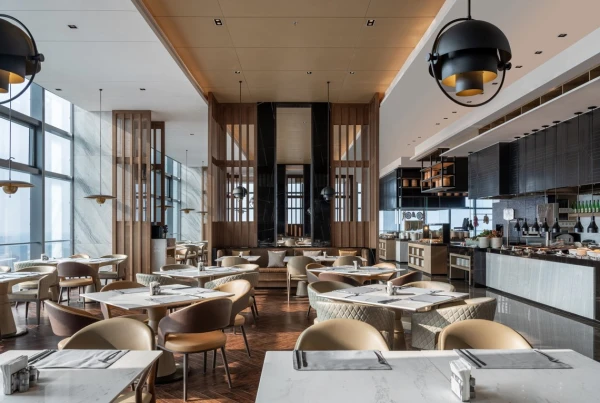
In practical applications, specific design requirements can be met by adjusting the color temperature and CRI of the light source. For example, a restaurant may choose warm color temperature lighting (2700K) to create a cozy dining atmosphere while using a light source with a CRI value of 85 to ensure the food looks fresh and inviting. By designing lighting color schemes carefully, we can not only enhance the beauty of space but also increase the comfort of its residents.
Color Rendering Index (CRI) is a measure of a light source's ability to accurately display the colors of objects, with values ranging from 0 to 100. Light sources with a high CRI (above 80) can accurately represent colors and are suitable for art galleries and retail stores where color accuracy is essential. For example, museums may require a CRI above 90 to ensure the accurate display of artwork colors. Specific design requirements can be met by adjusting the color temperature and CRI of the light source in practical applications.
In practical applications, specific design requirements can be met by adjusting the color temperature and CRI of the light source. For example, a restaurant may choose warm color temperature lighting (2700K) to create a cozy dining atmosphere while using a light source with a CRI value of 85 to ensure the food looks fresh and inviting. By designing lighting color schemes carefully, we can not only enhance the beauty of space but also increase the comfort of its residents.
How to choose lighting fixtures --- 1. Appearance of the heat sink
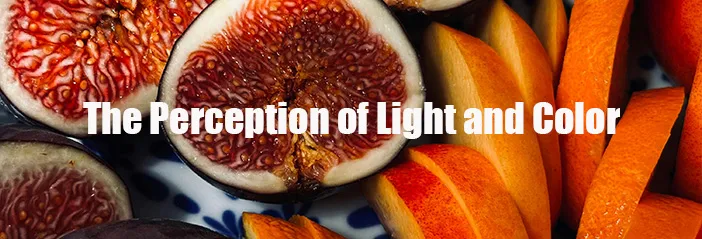
The perception of light and color.
Related Article

Enhance Hospitality Spaces with Hotel Accent Lighting, Flush Mount Downlights, and Trimless LED Downlights