Mini Deep Recessed Downlight – Architectural Anti-Glare Lighting Solution
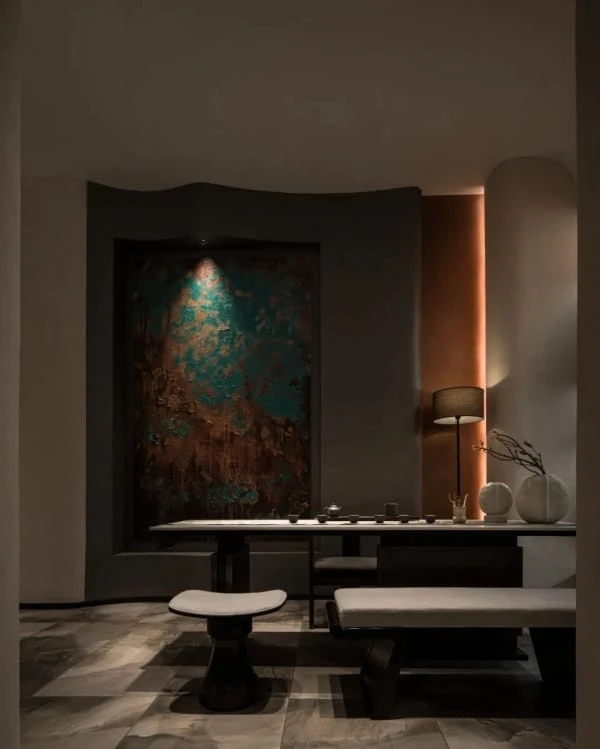
Introduction to Mini Deep Recessed Downlights
In the world of architectural lighting, creating a seamless blend of function and style is key. Mini deep recessed downlights have become a popular choice for designers and homeowners seeking an effective yet subtle lighting solution. With an emphasis on anti-glare technology, these lighting fixtures deliver bright, focused illumination without causing discomfort to the eyes. They enhance the aesthetics of a space while providing efficient, purpose-driven lighting.
In both residential and commercial spaces, mini deep recessed downlights are used to highlight features, create ambiance, and bring a sophisticated touch to interiors. The need for anti-glare features, in particular, has become essential as more spaces require task lighting that enhances rather than detracts from the environment.
What is a Mini Deep Recessed Downlight?
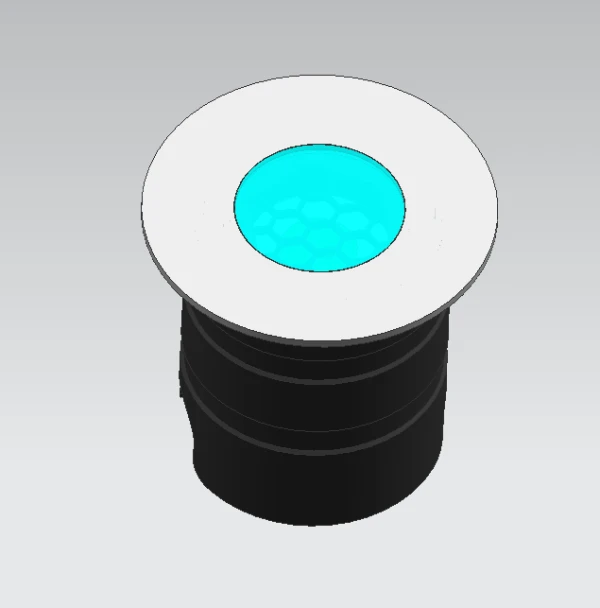
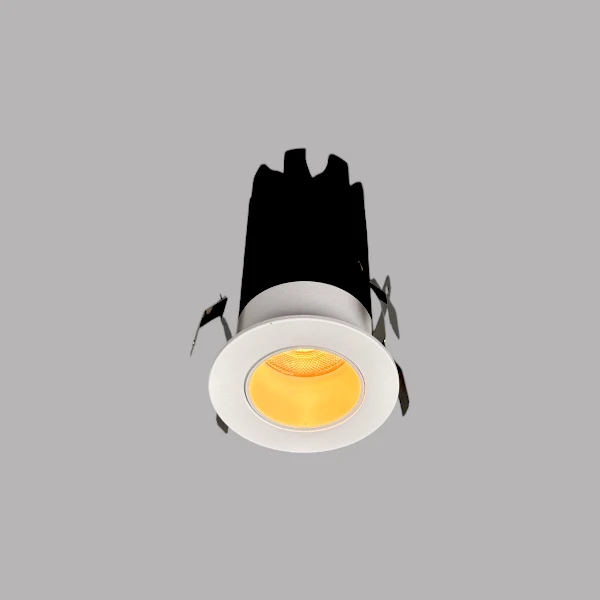
Mini deep recessed downlights are compact lighting fixtures that are embedded into the ceiling, offering a discreet, streamlined lighting solution. Unlike traditional ceiling lights that are surface-mounted and often bulky, recessed downlights sit flush with the ceiling or slightly below it, depending on the design. Their “deep recessed” nature means that the light source sits deeper within the fixture, minimizing direct exposure to the eyes, which is crucial for reducing glare.
These mini versions offer the same quality and features as regular-sized recessed downlights but in a smaller, more versatile form. They’re perfect for spaces where a low-profile light source is desirable, such as in modern kitchens, offices, galleries, and even hallways.
Benefits of Mini Deep Recessed Downlights in Architecture
Mini deep recessed downlights are favored in architectural design for several reasons:
- Aesthetic Appeal: These lights are sleek and minimalistic, fitting seamlessly into various design styles.
- Versatility: They can be used for both task and ambient lighting, ideal for kitchens, hallways, workspaces, and retail settings.
- Energy Efficiency: Many models are designed with LED technology, consuming less energy while providing substantial brightness.
- Precision in Lighting: Downlights provide focused illumination, which is perfect for highlighting specific areas or architectural features within a space.
Overall, these lights are popular among architects and designers who prioritize creating visually appealing yet highly functional spaces.
Importance of Anti-Glare Technology
Glare can create significant discomfort, making spaces less enjoyable and productive. Anti-glare technology in lighting is designed to minimize the harshness of direct light, offering a softer, more diffused illumination. This technology is particularly useful in spaces where people spend a lot of time, such as offices, living rooms, and kitchens. Reducing glare improves visual comfort, reduces eye strain, and enhances the aesthetic experience within a space.
In architectural lighting, anti-glare technology allows for better control over light direction and intensity, making it essential for creating a comfortable and pleasant environment.
Components and Design of Mini Deep Recessed Downlights
The design of mini deep recessed downlights consists of several important components:
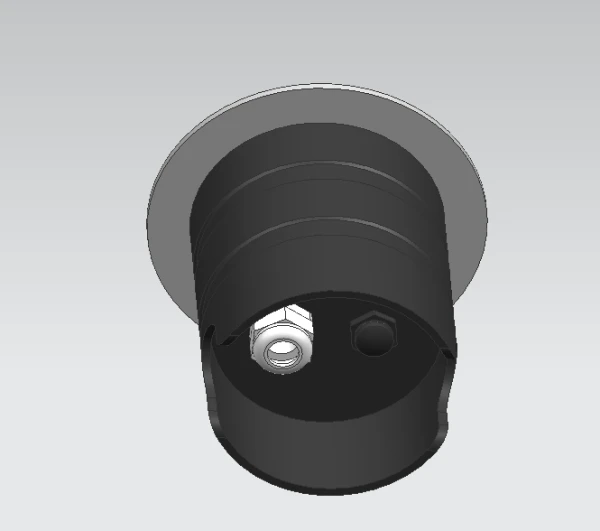
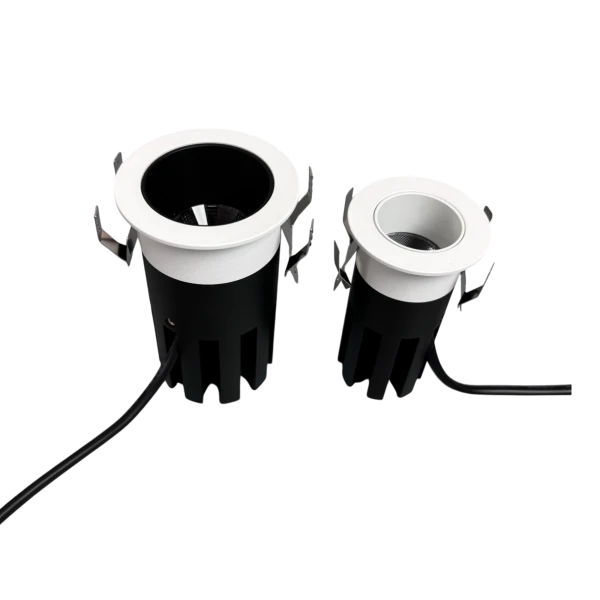
- Housing: The main structure that holds the bulb and the reflective components. It is often designed to prevent heat buildup and provide stability.
- Reflector: This is a key element that directs the light downwards and contributes to anti-glare properties by ensuring that the light is properly diffused.
- Trim: This is the visible part of the fixture on the ceiling surface. Trim styles can vary, allowing customization to match the design theme.
- Diffuser Lens: Some models include a diffuser lens to soften the light output further.
Using high-quality materials like aluminum and advanced reflectors, mini recessed downlights are designed to be durable, heat-resistant, and efficient. This helps them provide consistent performance and maintain optimal lighting conditions over time.
Types of Mini Deep Recessed Downlights
Choosing the right type of mini downlight can make a significant difference depending on your lighting goals:
- Fixed Downlights: These offer a direct light beam, ideal for consistent lighting needs in rooms or corridors.
- Adjustable Downlights: These fixtures allow you to change the direction of the light beam, perfect for task lighting or accenting art or architectural features.
- Trimmed vs. Trimless Options: Trimmed downlights have a visible edge, while trimless options blend entirely into the ceiling, creating a seamless look.
Each type serves a unique purpose, and the choice largely depends on the room’s function and the desired aesthetic outcome.
How Anti-Glare Technology Works in Recessed Downlights
Anti-glare technology in recessed downlights functions by recessing the light source deeper into the fixture. This “deep recess” means that the bulb is set back further, reducing direct eye contact with the light source. The reflectors within these lights are carefully designed to direct the light at specific angles, creating a softer spread that minimizes harsh light spots and unwanted brightness.
Some mini recessed downlights also include anti-glare baffles or lens covers that help control the light diffusion. The result is a smooth, even illumination that enhances visual comfort and reduces strain, ideal for workspaces and areas where people are directly exposed to lighting for extended periods.
Applications of Mini Deep Recessed Downlights
Mini deep recessed downlights are incredibly versatile and suitable for various settings:
- Residential Spaces: These lights work well in kitchens, bathrooms, and hallways, providing functional and aesthetic lighting.
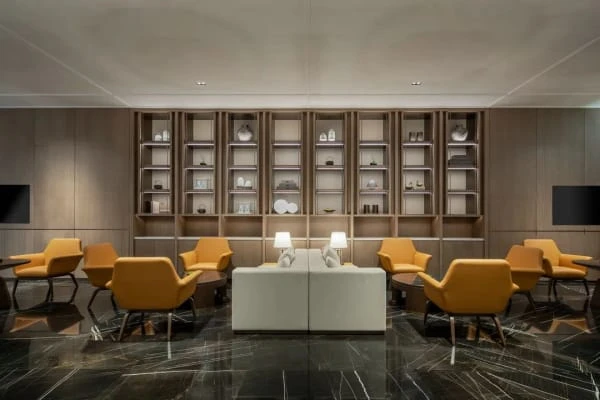
- Commercial Spaces: They’re a popular choice in offices, retail stores, and hotels for their clean, professional look.
- Architectural Highlights: In galleries or museums, these lights help highlight artwork or displays without overshadowing them or causing glare.
The flexibility of these downlights makes them a valuable asset in both private and public environments, enhancing the ambiance and usability of the spaces they illuminate.
Key Factors to Consider When Choosing Mini Recessed Downlights
Selecting the right mini deep recessed downlight involves several important factors that can impact the quality, look, and feel of the light in a space:
-
Size and Compatibility with Ceiling Types: Mini recessed downlights come in various sizes, and it’s essential to match the size of the fixture to the ceiling height and type. Some models work better in higher ceilings, where the deep recess will enhance anti-glare properties.
-
Beam Angles and Brightness Levels: Beam angles determine the spread of the light. For example, narrow beam angles work well for task lighting or highlighting artwork, while wider beams are ideal for general illumination. Brightness levels, typically measured in lumens, should align with the space’s needs—lower lumens for cozy atmospheres and higher lumens for task-oriented areas.
-
Color Temperature Options: The color temperature of the light, measured in Kelvin (K), affects the ambiance. Warm white (2700K–3000K) adds a cozy feel, while cool white (4000K–5000K) is better for task-oriented areas like kitchens or offices. Choosing the right color temperature can create an inviting or professional environment, depending on the purpose of the space.
-
Dimming Compatibility: Many mini deep recessed downlights are dimmable, which is highly advantageous for adjusting lighting intensity based on the time of day or specific needs. When selecting a downlight, check for compatibility with dimmer switches, as some lights require specific dimmers for smooth operation.
Considering these elements ensures that the chosen lighting setup complements both the functional and aesthetic aspects of the space.
Installation Guide for Mini Deep Recessed Downlights
Installing mini deep recessed downlights can be a straightforward process if done correctly. Here’s a step-by-step guide to help achieve a clean, professional installation:
-
Preparation:
- Turn Off the Power: Always begin by switching off the power at the circuit breaker to ensure safety.
- Mark the Installation Points: Determine the ideal spots for your downlights based on the room layout and lighting needs. Mark these spots on the ceiling with a pencil or marker.
-
Cutting Holes:
- Use a drill or a hole saw that matches the diameter of the downlight’s housing. Cut carefully, making sure not to damage any wires or existing ceiling structures.
-
Install the Wiring:
- Connect the downlight’s wiring to the electrical supply. Many modern downlights come with easy-connect features, but it’s advisable to have a licensed electrician perform this step for maximum safety and compliance with building codes.
-
Fit the Downlight Housing:
- Insert the housing or the body of the downlight into the ceiling hole. Spring clips or mounting brackets should secure the fixture snugly in place.
-
Testing:
- After installation, restore the power and test the lights to confirm they’re working correctly and positioned as desired.
A well-installed downlight provides both functional lighting and aesthetic appeal without unnecessary gaps or light leakage, maintaining the overall anti-glare quality of the design.
Maintenance and Longevity of Mini Deep Recessed Downlights
One of the advantages of using mini deep recessed downlights, especially LED models, is their low-maintenance nature and long lifespan. However, some upkeep can help maximize their longevity:
- Cleaning the Trim and Lens: Regularly dusting and wiping the trim and lens with a soft cloth prevents dust buildup, which can affect light quality over time.
- Inspecting for Loose Fittings: Over time, vibrations from the building or minor adjustments may cause fixtures to loosen. A quick check ensures they remain securely in place.
- Replacing Bulbs or Modules: If using a model with replaceable bulbs or LED modules, be aware of the estimated lifespan. Most LED mini downlights have a lifespan of 20,000 to 50,000 hours, but replacing parts as needed helps maintain consistent lighting performance.
With minimal care, these lights can provide years of high-quality illumination, making them an economical and practical choice for various settings.
Energy Efficiency and Cost Savings
Mini deep recessed downlights are designed with energy efficiency in mind, especially those equipped with LED technology. LED lighting consumes significantly less electricity than traditional incandescent bulbs and lasts much longer, leading to substantial energy and cost savings.
- Reduced Power Consumption: LED downlights typically use 75% less energy than incandescent lighting, which translates to lower utility bills. For large spaces or installations with multiple lights, this can mean significant savings.
- Low Heat Emission: LEDs emit very little heat, reducing the need for air conditioning and helping maintain a comfortable indoor temperature.
- Longer Lifespan: With LEDs’ extended lifespan, maintenance costs are lower since replacements are needed less frequently. This is particularly beneficial in commercial or retail settings where lighting must remain on for extended hours.
Energy efficiency is a major advantage of mini recessed downlights, aligning with sustainable practices and appealing to eco-conscious consumers.
Comparing Mini Deep Recessed Downlights to Other Lighting Options
When choosing lighting, mini deep recessed downlights stand out due to their compact, minimalist profile and superior anti-glare features. Here’s how they compare with other popular lighting options:
-
Surface-Mounted Lights: Surface-mounted lights sit below the ceiling, often visible. While they provide good lighting coverage, they lack the subtlety and streamlined look of recessed options.
-
Pendant and Track Lighting: These options offer decorative appeal and directional lighting but can feel bulky or intrusive in spaces where a clean, minimalist design is preferred. Recessed downlights are ideal for areas where the lighting source should be less obtrusive.
Mini recessed downlights combine the efficiency of focused lighting with an understated design, making them a superior choice for modern, minimalist, and functional spaces.
Trends in Recessed Lighting Design
Recessed lighting is continuously evolving, with trends emphasizing both innovation and environmental impact. Some notable trends include:
-
Integration with Smart Home Systems: Many mini downlights now feature smart capabilities, allowing users to control brightness, color temperature, and even timing through smartphone apps or voice assistants.
-
Color-Changing LED Options: Some advanced models offer color-changing features, allowing the ambiance to shift from warm to cool or even vibrant colors, providing versatility in mood creation.
-
Low-Profile, Trimless Designs: Trimless options are gaining popularity as they blend seamlessly into the ceiling, offering an ultra-minimalist look that’s popular in luxury and high-end designs.
These trends reflect the growing demand for versatile, user-friendly, and stylish lighting solutions that complement today’s connected lifestyles.
Conclusion
Mini deep recessed downlights with anti-glare technology provide a unique combination of style, functionality, and efficiency. These compact lights integrate seamlessly into ceilings, offering subtle yet effective illumination while enhancing visual comfort. Their energy-saving capabilities, long lifespan, and minimal maintenance make them a top choice for both residential and commercial spaces.
Whether you’re aiming to highlight specific architectural features or create a welcoming atmosphere in a living room, mini recessed downlights deliver a professional-grade lighting experience that complements modern architectural trends.
FAQs
1. Can recessed downlights be used outdoors?
Yes, but it’s essential to choose downlights with appropriate weatherproofing. Look for lights with an IP rating suitable for outdoor use to ensure durability and performance.
2. What is the ideal spacing for mini recessed downlights?
A general rule is to space recessed downlights at about half the ceiling height. For example, in an 8-foot ceiling, lights should be placed about 4 feet apart for even illumination.
3. Do mini downlights require special wiring?
Typically, mini recessed downlights can be installed with standard wiring, but it’s crucial to follow local electrical codes. Consulting an electrician ensures safe and compliant installation.
4. How does the recessed depth affect lighting performance?
The deeper the recessed light, the less glare it produces, as the light source is set further back, directing light downward rather than outward. This enhances visual comfort.
5. Can these lights be dimmable?
Yes, many mini recessed downlights come with dimming capabilities. However, make sure they are compatible with the dimmer switch you intend to use for smooth operation.
Smart Adjustable Recessed Downlight – New Design for Hotel Lighting
High Lumen Output Downlight – Compact Energy-Efficient Directional LED Light